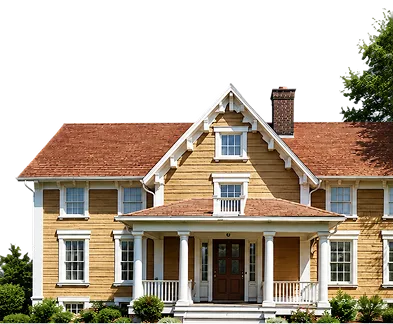
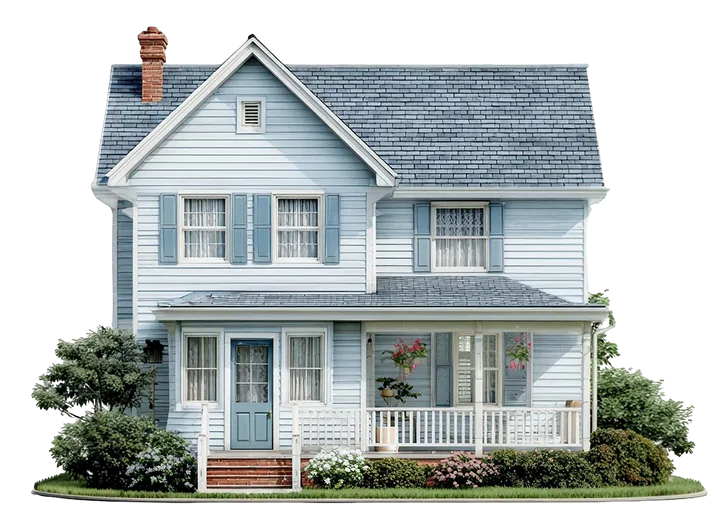
Homes built generations ago have details you can’t easily replace: original woodwork, plaster walls, slate roofs and old-growth framing. Those details also make them more expensive to restore after a fire or storm than a newer house of the same size. Here’s what to look at so your coverage fits the house you actually own.
Rebuild cost vs. market value. Original materials and craftsmanship can cost more to restore than the sale price suggests.
District rules. Homes in locally designated districts may need approval and specific materials for exterior repairs.
Building codes. After a covered loss, repairs may need to meet today’s code. Ask about ordinance or law coverage.
Older systems. Roof, wiring, plumbing and heating age can affect eligibility and price.
Longer repairs. Restoration can take months, so check your additional living expense coverage.
$1B+Total Property Value Protected
// Before You Buy Or Renew \\
Questions to ask before you buy or renew
Is my dwelling limit based on rebuild cost or market value?
Do I have ordinance or law coverage, and is the limit enough?
Is extended replacement cost available?
Will my roof, wiring or plumbing affect my coverage or price?
Do I need an inspection or appraisal?
If I rent or own a condo in a historic building, what covers my unit and my things?
// Browse By State \\
Historic homes by state
68historic districts across Georgia
We’re starting with Georgia, from Atlanta’s intown neighborhoods to Columbus along the Chattahoochee. Pick an area to see its districts, local rules and what to ask about coverage.
Here are some of the questions we hear most from owners of older and historic homes, with brief answers. Don’t see yours? We’re only a call away and happy to help.
Want to Learn More?
We’re Happy To Answer Your Questions. Just Give Us A Call!